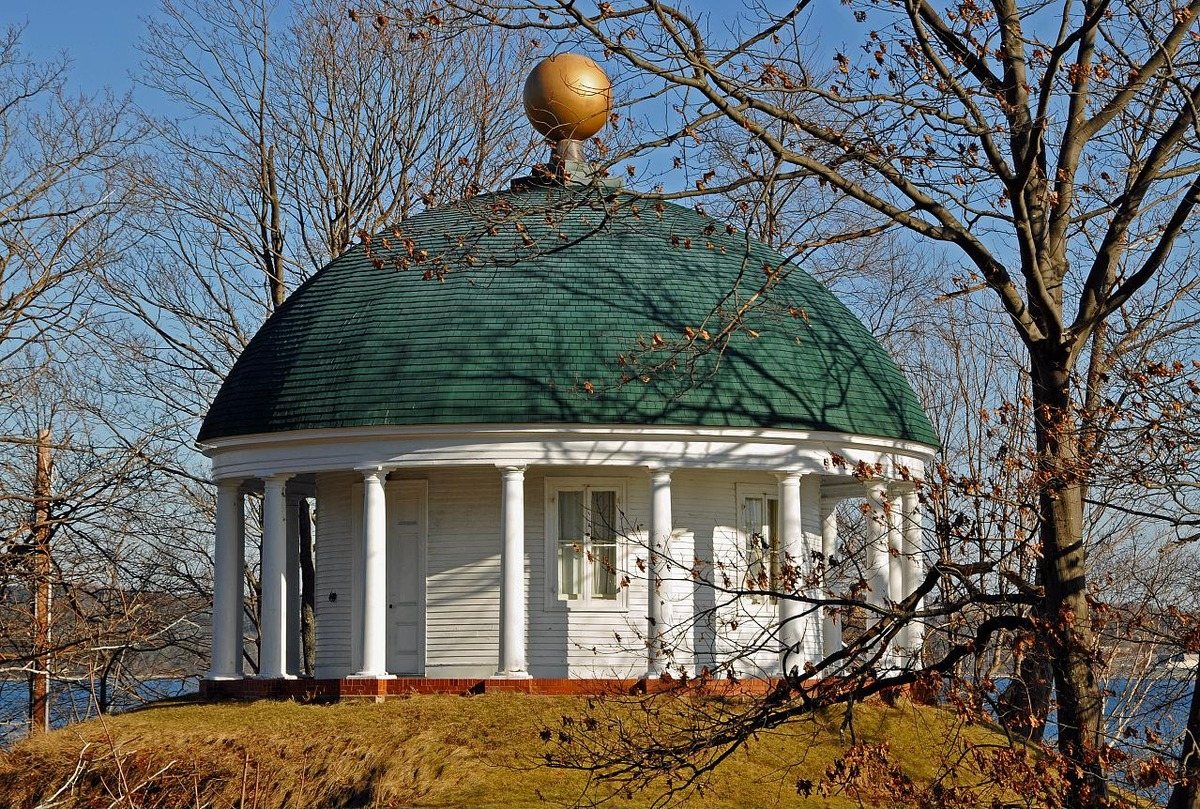
Julie and the round house on the Bedford Basin
The Rotunda on the Bedford Basin is the round music room of Prince's Lodge, the country house where Prince Edward and Julie de Saint-Laurent lived and held parties between 1794 and 1800. It is the only part of the estate still standing.
Julie de Saint-Laurent sailed into Halifax in August 1794 to be with Prince Edward, the man she had been beside since Gibraltar. She would stay at his side for more than twenty-five years, but the royal family’s needs would decide how it ended.
Who was Julie de Saint-Laurent?
She was born Thérèse-Bernardine Montgenet in Besançon, France, on 30 September 1760, the daughter of a civil engineer. By 1790 she was with Edward at Gibraltar, and in 1791 they went on to Quebec, then Halifax. When Edward was sent to Martinique in January 1794, she sailed to England by way of New York, where American newspapers made fun of the prince’s “laundress”.
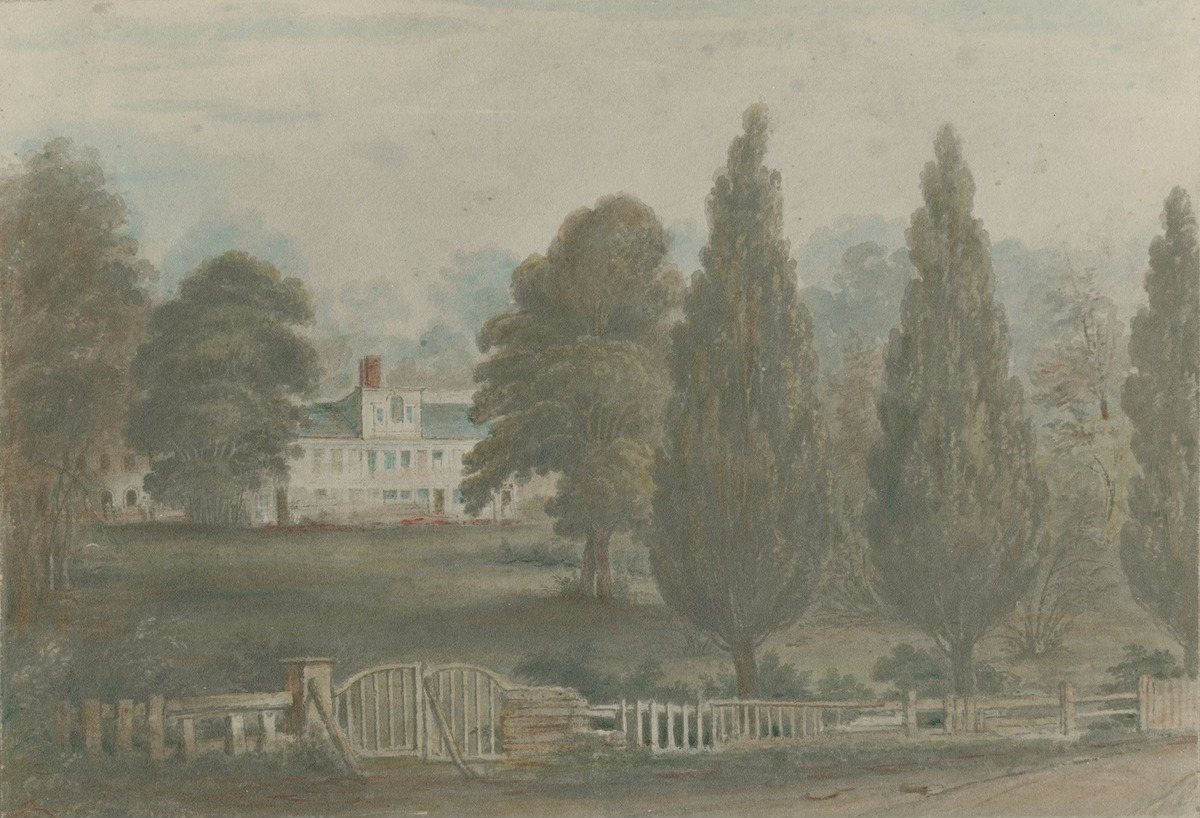
Edward reached Halifax on 10 May 1794, at 26. Julie followed that August on the Westmorland, at 33. Governor John Wentworth and his wife, Frances, lent them their country house on the Bedford Basin, and Wentworth called Julie “an elegant, well bred, pleasing sensible woman.”
What was the Rotunda used for?
The lodge became a place for parties. There were garden parties and concerts, with the regimental band playing on the lawn, and a round music room, now called the Rotunda.
So what could pull a prince away from a place like that?
A horse. In 1798, Edward fell from his, and that October the two of them sailed for England. In September 1799 they were back, and Edward was now the Duke of Kent, commander of all the forces in British North America. That year a French exile, the future King Louis-Philippe, came to visit them, and he stayed Julie’s friend for life. In August 1800, they left Halifax for good.
What happened to Julie and Prince Edward?
They stayed together for years more. But in March 1818, in Brussels, they parted. Edward married a German princess so the royal family would have an heir, and the daughter of that marriage grew up to be Queen Victoria. Julie went to Paris with her sister. Edward paid her an allowance, and the French king made her Comtesse de Montgenet. When Edward died in 1820, his widow sent Julie a personal message. Julie died in Paris on 8 August 1830, at 69, and she is buried beside her sister at Père-Lachaise.
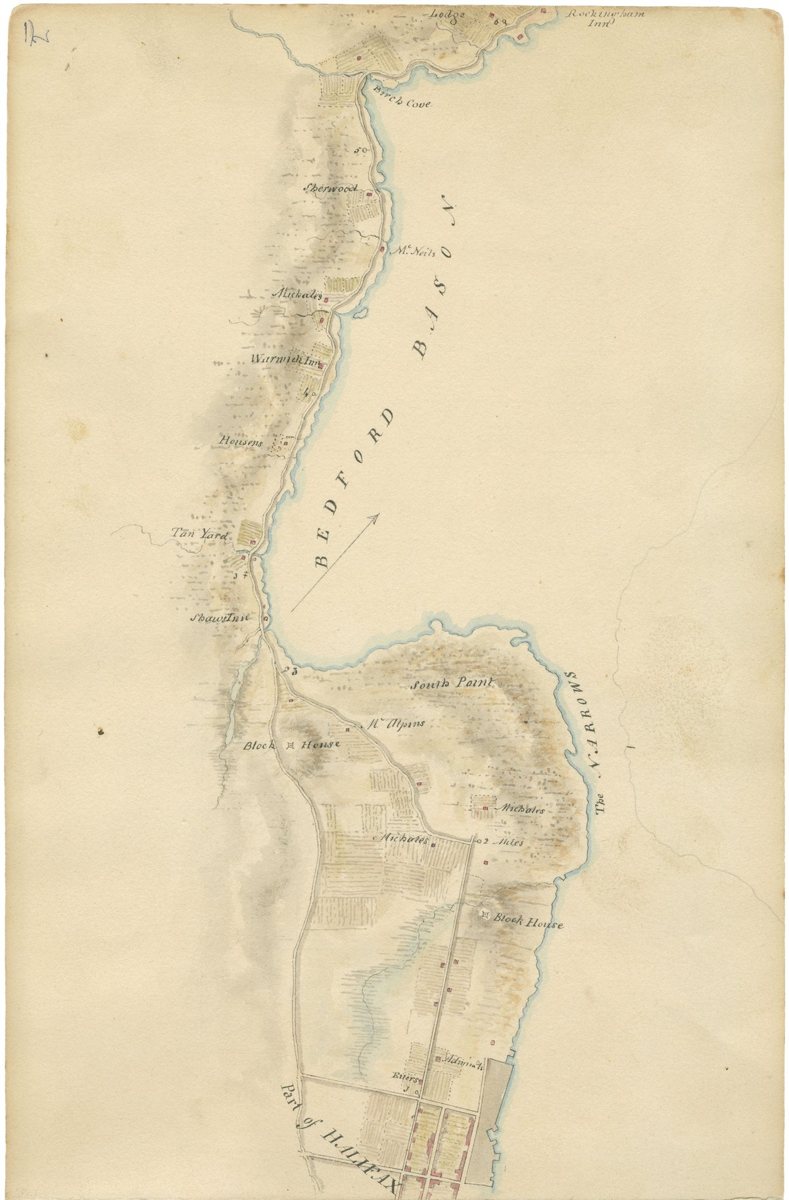
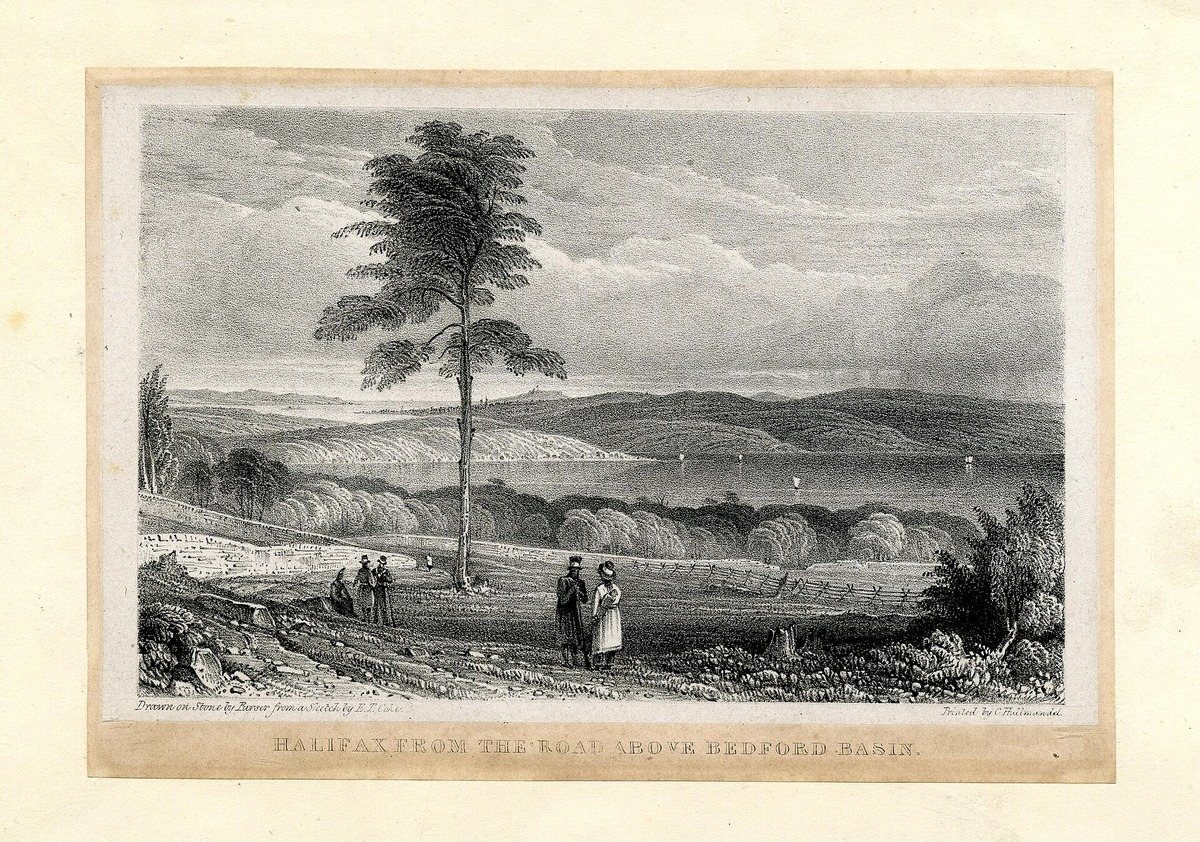
The estate on the Bedford Basin fell into ruin. Today it is Hemlock Ravine Park, with its heart-shaped pond. Only the Rotunda is left, the little round music room still standing above the water where Julie and Edward once held their parties.
Quick facts
- Where
- Prince’s Lodge, Bedford Basin, Halifax
- Lent by
- Governor John Wentworth and his wife, Frances
- Prince Edward arrived
- 10 May 1794
- Julie arrived
- August 1794, on the Westmorland
- Left Halifax
- August 1800
- Today
- Hemlock Ravine Park; only the Rotunda still stands