The Point Tupper heavy water plant: Cape Breton's fifteen-year bet
The Point Tupper heavy water plant, beside Port Hawkesbury on the Strait of Canso, made heavy water for Canada's CANDU nuclear reactors. It made its first batch on September 26, 1970, and shut down in 1985.
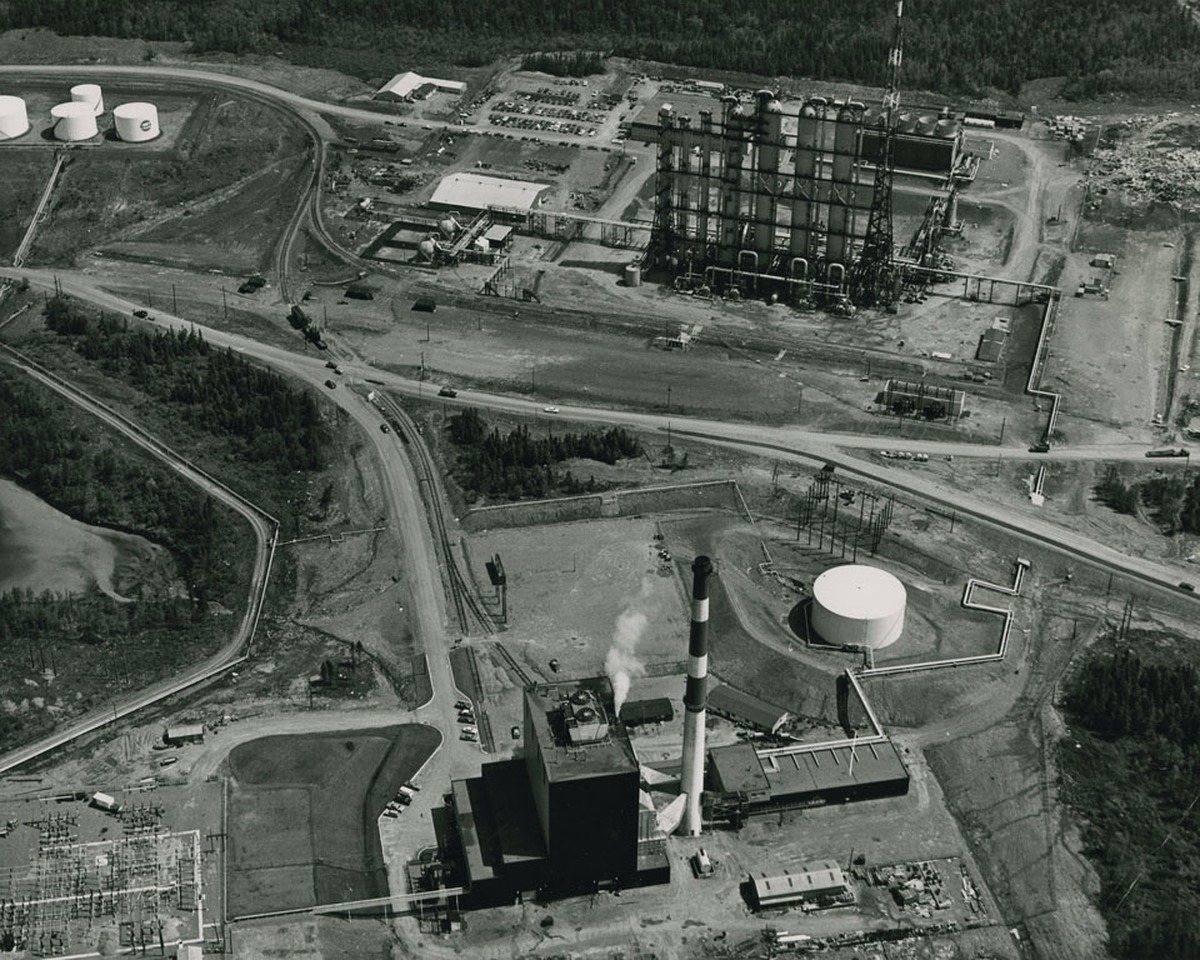
Canadian General Electric spent the late 1960s building a heavy water plant at Point Tupper, beside Port Hawkesbury on the Strait of Canso. The hope was a steady new industry for Cape Breton. The worry was simple: the last plant in Nova Scotia built to do this job had never worked.
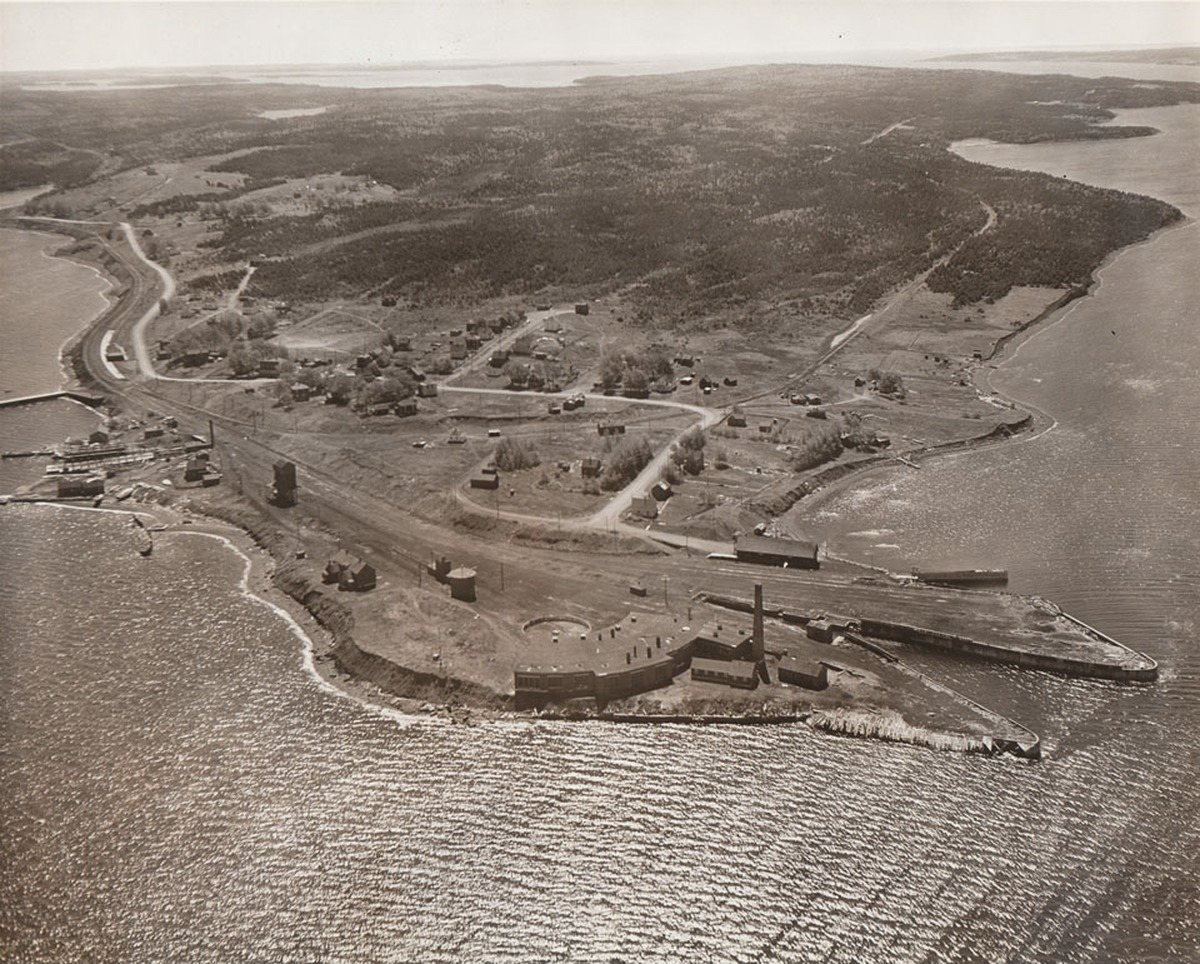
What is heavy water?
Heavy water looks like ordinary water. Canada's CANDU nuclear reactors needed it, and in the 1960s the federal government wanted it made at home.
Why Glace Bay mattered
The first attempt went up at Glace Bay with heavy backing from the province. It was finished, but trouble with its equipment kept it from producing heavy water at all.
Point Tupper was the second try, with a Nova Scotia Power Commission plant beside it to supply steam.
So would Point Tupper end up like Glace Bay? Not for fifteen years.
Fifteen years on the Strait of Canso
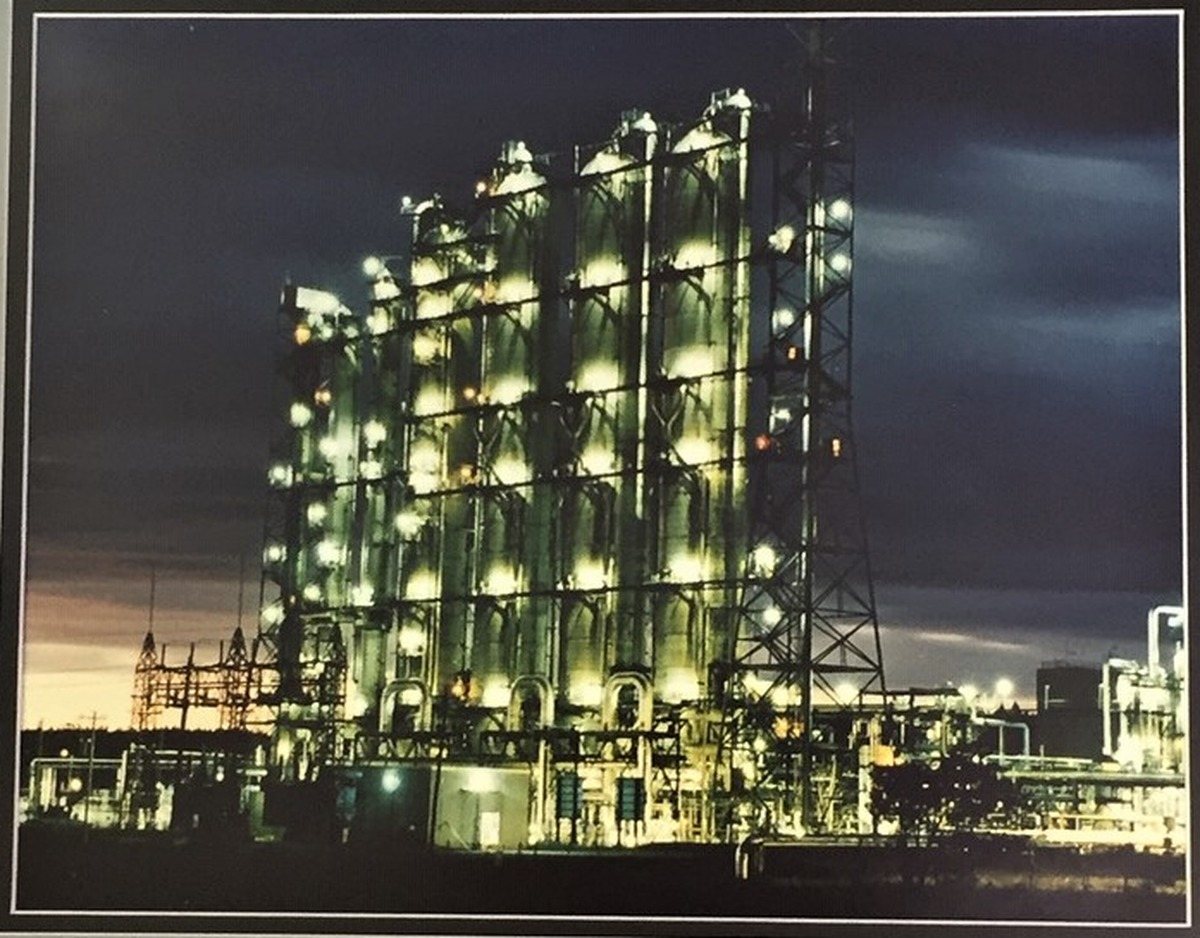
The plant turned out its first reactor-grade heavy water in September 1970, but the start was hard. Reports from Atomic Energy of Canada Limited, the federal nuclear company, describe a difficult first run and later equipment breakdowns. Still, lessons learned there went into the next plants in Ontario. The federal company took over both Nova Scotia plants in 1975, and a rebuilt Glace Bay plant finally began producing in 1976.
Why the plant closed in 1985
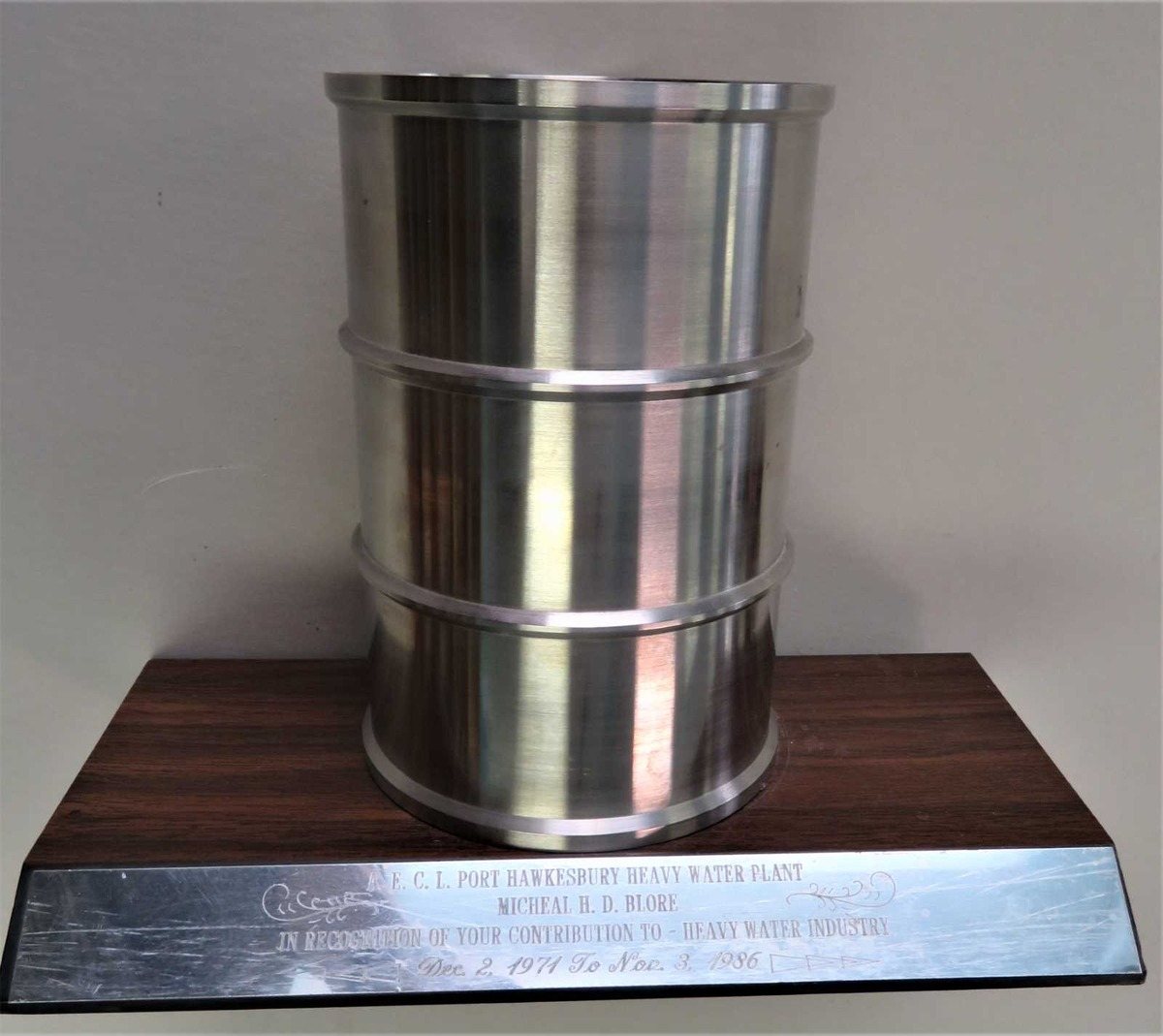
The end came not from the machinery but from the market. Demand never grew the way planners expected, and by 1985 there was more heavy water than anyone needed. That year both plants were shut down, and towns on the Strait and in Glace Bay lost good, well-paid technical jobs. The Glace Bay plant sat empty until excavators tore it down in 2013.
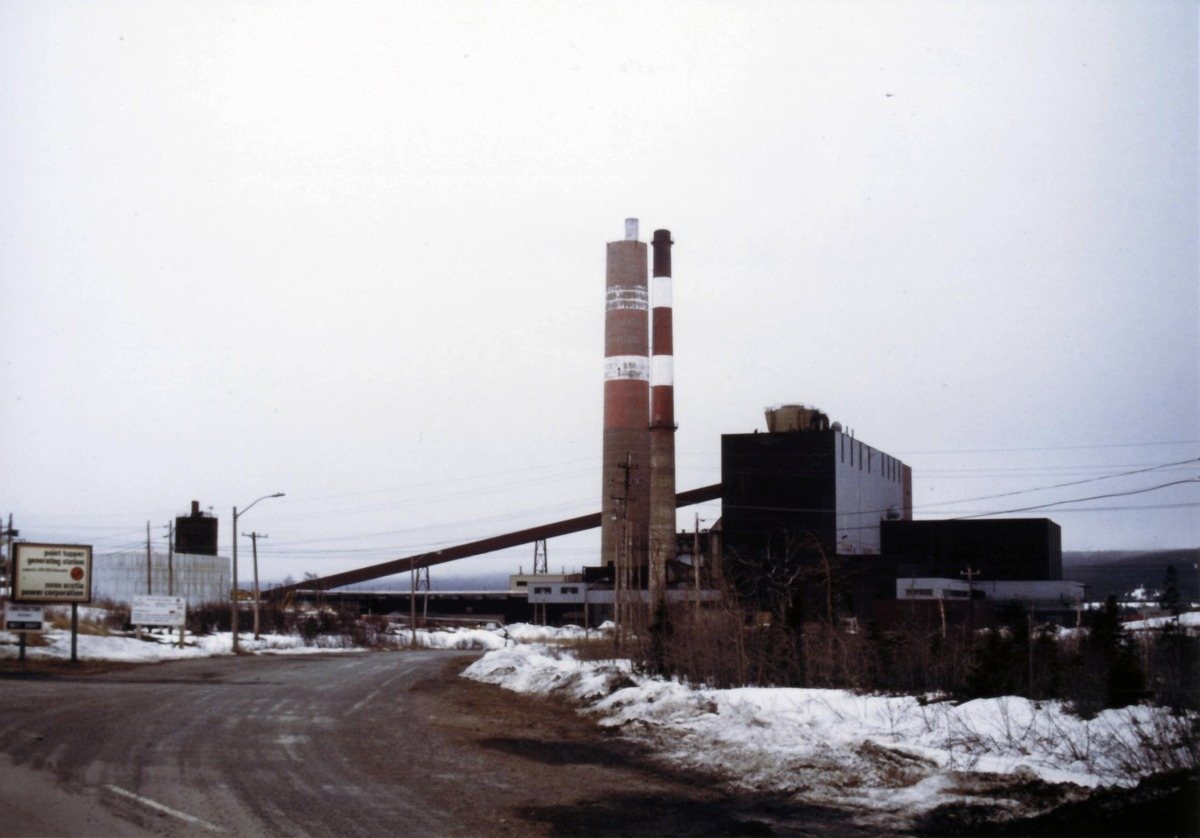
Point Tupper's plant is gone as well. For fifteen years, from that first batch in September 1970 until the gates closed in 1985, the hope for a steady new industry held on the shore of the Strait of Canso.
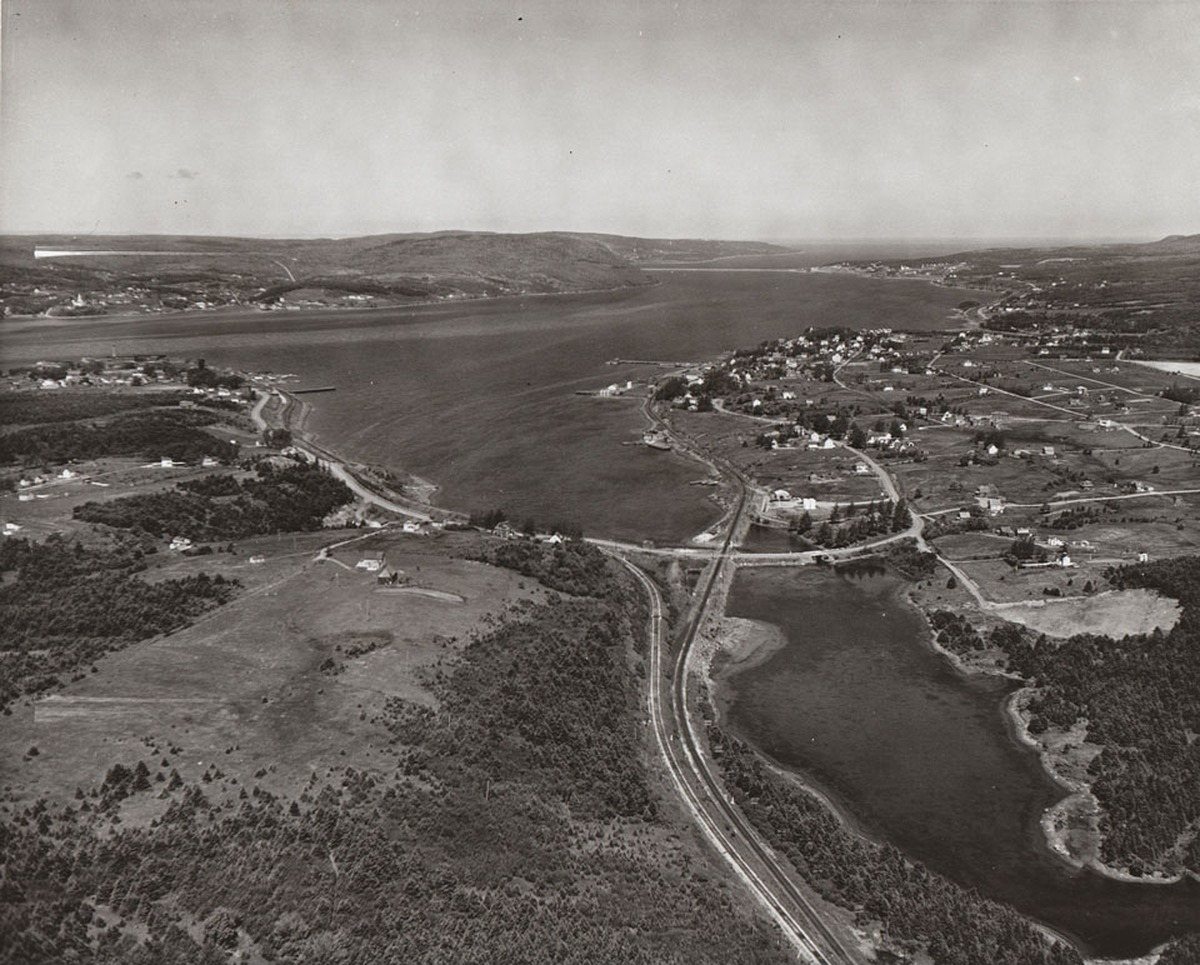
Quick facts
- Where
- Point Tupper, beside Port Hawkesbury, Cape Breton
- Built by
- Canadian General Electric
- First heavy water
- September 26, 1970
- Taken over
- 1975, by Atomic Energy of Canada Limited
- Closed
- 1985
- Made for
- Canada's CANDU nuclear reactors